Driving tourism forward: Key insights from WTM Africa 2025
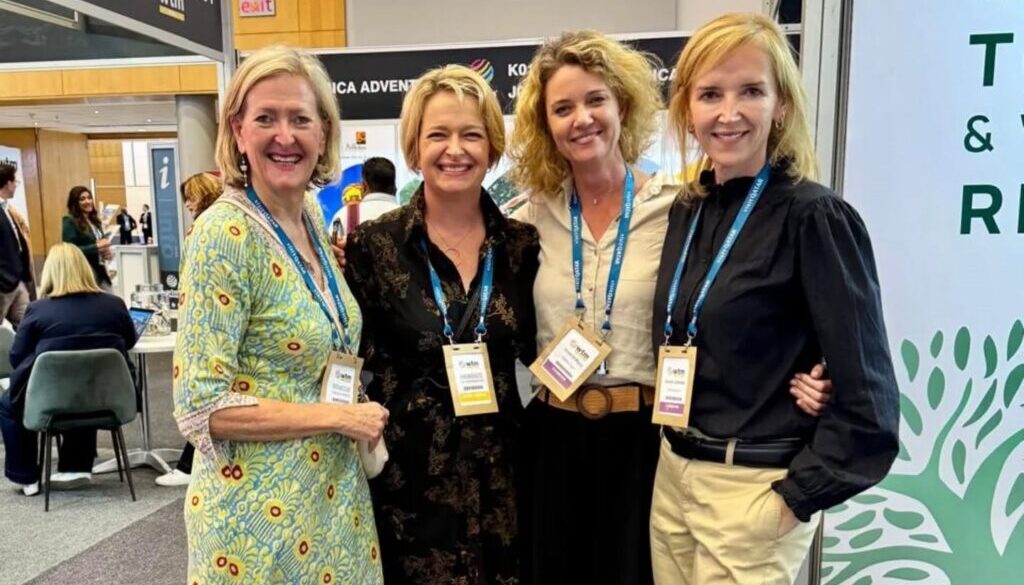
Visit Stellenbosch CEO, Annemie Liebenberg, recently attended WTM Africa 2025 in Cape Town—a dynamic gathering of global tourism leaders, innovators, and changemakers. The event offered a wealth of insight into the trends shaping the future of travel and how destinations like Stellenbosch can lead with purpose, innovation, and sustainability. Here’s a summary of the key sessions Annemie attended and how their insights can inspire and guide our strategic direction.
1. Embedding sustainability in everything we do
One of the central themes across the talks was the elevation of sustainability from a niche initiative to a core tourism driver. The session on Sustainability & Best International Practice emphasized the role of ESG principles in crafting tourism offerings that are not only environmentally responsible but also socially uplifting and economically sound.
Annemie highlighted the importance of adopting data-driven sustainability metrics to measure our impact and progress. There’s an urgent opportunity for Stellenbosch to align our tourism experiences with regenerative principles—be it through carbon-conscious practices, community engagement, or eco-tourism initiatives. As a wine and culture destination, we can champion green leadership by spotlighting establishments that embrace responsible tourism.
2. Designing for all: Inclusive and sensory-friendly experiences
The conversation around Inclusive Travel was both inspiring and actionable. The session presented practical steps destinations are taking to accommodate neurodivergent travellers and those with sensory sensitivities. Features like quiet zones, staff awareness training, and visual guides were shown to make a significant difference in accessibility.
Annemie noted how Stellenbosch can lead in this space by making small, thoughtful changes—especially in our museums, tasting rooms, and walking tours. By becoming more inclusive, we not only widen our visitor base but also demonstrate our commitment to creating a welcoming and empathetic tourism environment.
3. Looking ahead: The future of travel
As the industry evolves, so too must our approach. The Future of Travel session explored how AI, immersive experiences, and “phygital” design are redefining the traveller journey—particularly among younger generations. There’s growing demand for authentic, personalised, and ethically grounded travel experiences.
For Stellenbosch, this reinforces the need to embrace digital tools that enhance the visitor experience without losing our cultural identity. Whether it’s through augmented reality storytelling, AI-powered itineraries, or personalised recommendations, we must meet travellers where they are—curious, conscious, and connected.
4. Tourism with a purpose: Nature-positive futures
Nature-Positive Tourism offered a refreshing take on the role of tourism in ecosystem restoration. Rather than just minimizing harm, destinations are investing in rewilding, biodiversity projects, and conservation partnerships that involve local communities.
Stellenbosch, with its proximity to protected natural areas and deep agricultural heritage, is well-positioned to lead the way in nature-positive tourism. Annemie believes we can incorporate climate-resilient strategies and water stewardship into our planning, building a model that not only protects but also enhances our natural assets.
5. Reimagining wine tourism
In a panel led by Mike Ratcliffe, the conversation around Wine Tourism revealed a growing appetite for immersive, cultural-rich experiences. The future of wine tourism lies in storytelling, sensory experiences, and collaboration between wineries, chefs, artists, and local guides.
Annemie envisions Stellenbosch evolving beyond traditional wine tastings to offer year-round, narrative-driven experiences—connecting visitors to the soul of our winelands through food, heritage, and creativity. Cross-sector collaboration will be key to amplifying our region’s unique voice on the global stage.
The road ahead
WTM Africa 2025 reaffirmed that the future of tourism is inclusive, sustainable, innovative, and deeply connected to community and nature. Annemie’s participation ensures that Visit Stellenbosch remains at the forefront of global thinking while grounding our efforts in local context and collaboration.
As we move forward, these takeouts will inform our planning, inspire stakeholder engagement, and guide the way we present Stellenbosch to the world: not just as a destination, but as a purpose-driven community.
